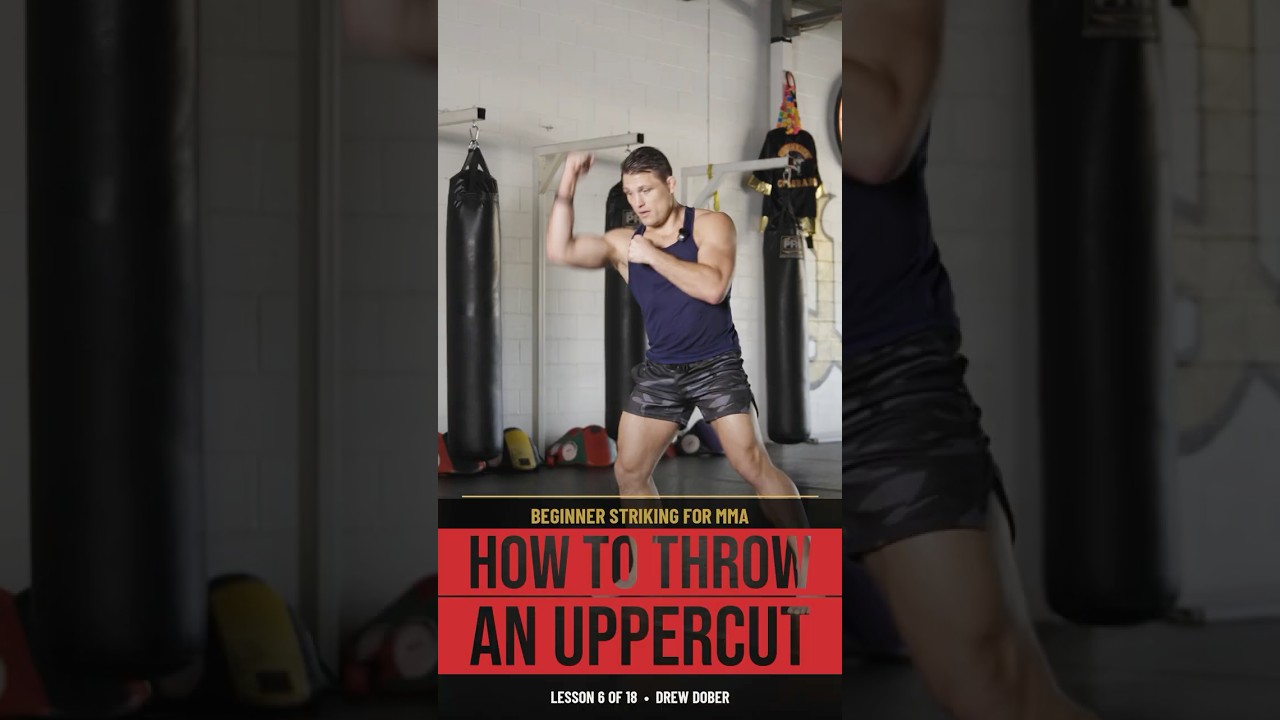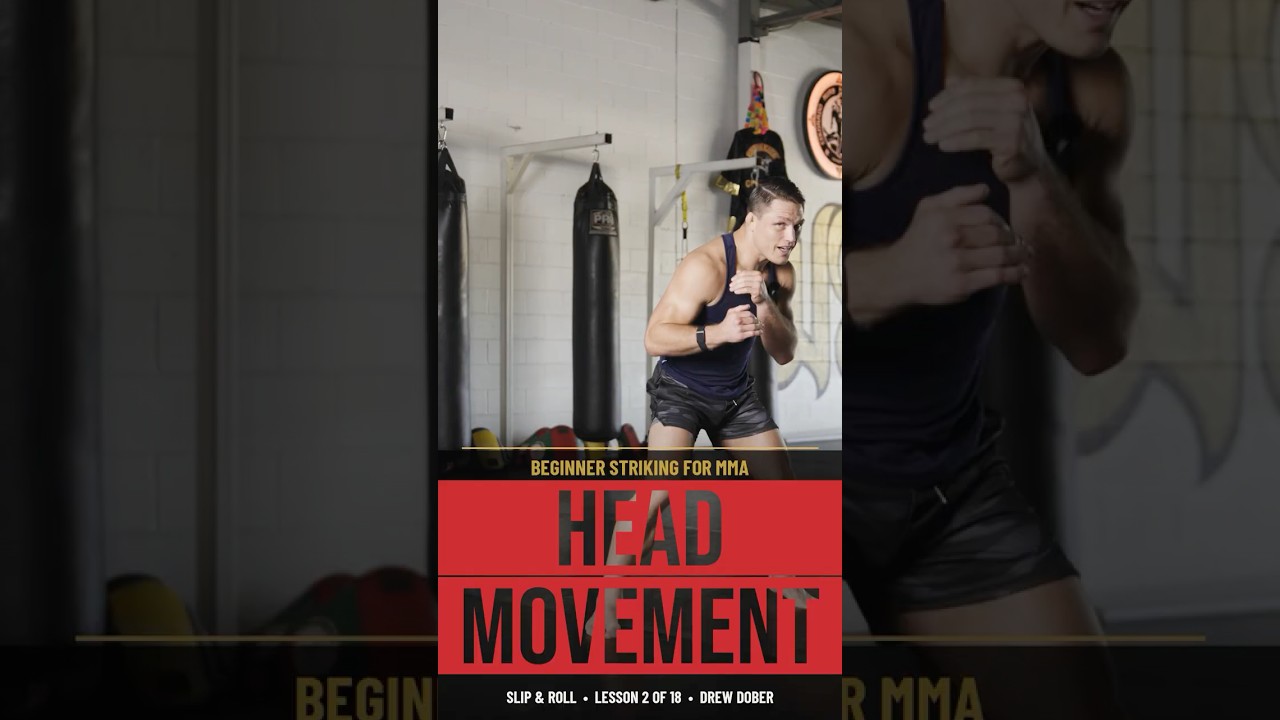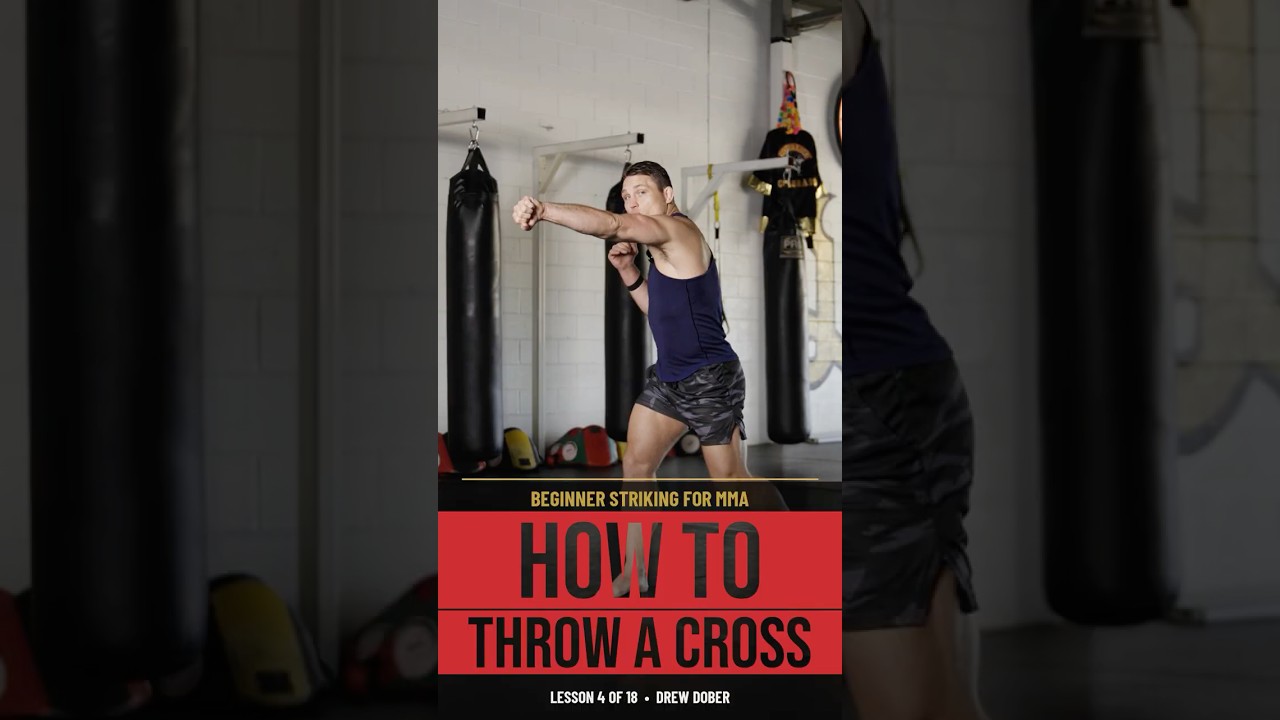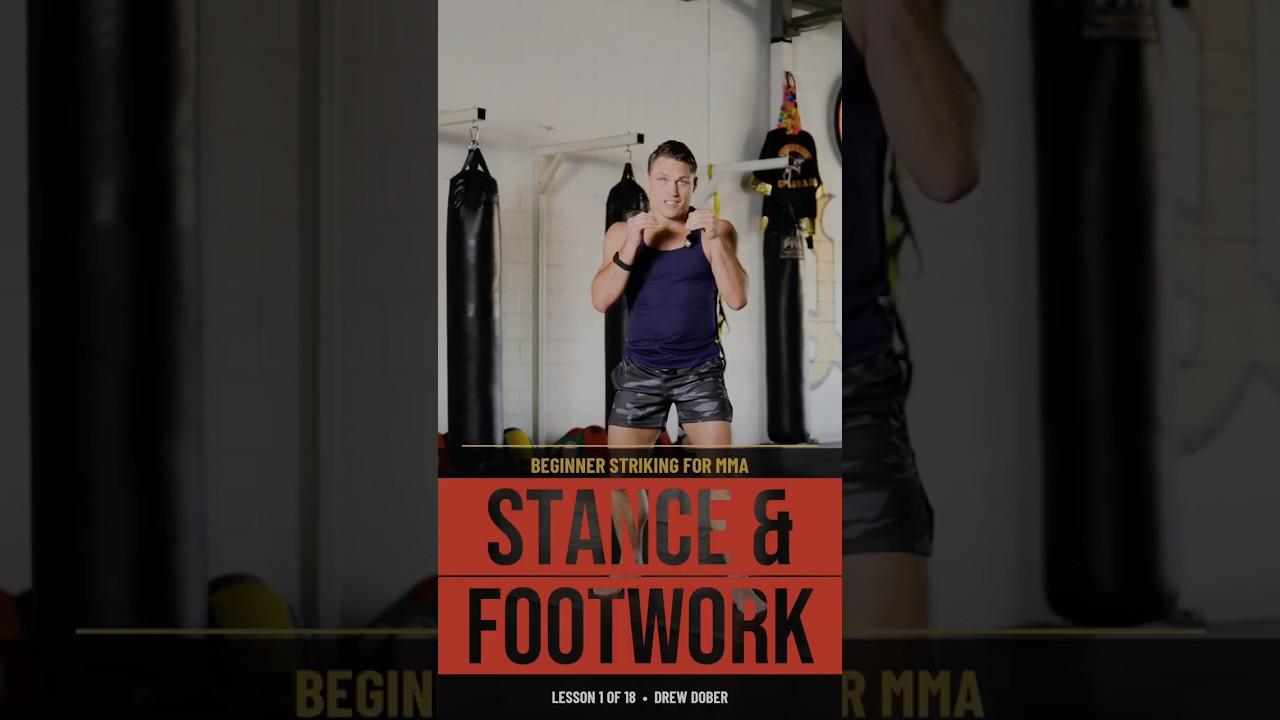
Before you throw a single punch, you need to know how to stand and move. UFC lightweight Drew Dober breaks down MMA stance and footwork for beginners.
Key Takeaways
Before you throw a punch or a kick, you need to know how to stand. Stance and footwork are the foundation of everything in MMA. Get this wrong and every technique you build on top of it is already working against you.
Most beginners want to skip this part. They want to learn the head kick, the rear naked choke, the spinning back fist. Stance feels boring.
It’s not boring. It’s the difference between being able to generate power and getting taken down at will.
Your stance determines three things: whether you can move, whether you can strike with power, and whether you can defend the takedown.
Those three things cover about 90% of what happens in a fight.
I teach this as Lesson 1 of my beginner striking series because there’s nowhere else to start. Before the jab, before the cross, before the head movement, you need to know where your feet go and how to move them. Everything else builds from here.
If you want to follow along, I break down the full stance and footwork in the video above. Watch it first, then come back to this.
I’m going to show you stance in motion for MMA. So, here’s how we begin.
Put your feet shoulder-width apart. That way you’re balanced and you can move. Too wide and you lose mobility. You’re planted like a tree and you can’t get out of the way. Too narrow and you fall over when someone shoves you.
Now, if your primary hand is your right hand, you’re going to step back with your right leg. Right-hand dominant means right hand in back. That’s your orthodox stance. If you’re left-handed, it flips. Left hand in back, which is southpaw. I’m left-handed, so I fight southpaw.
Here’s the image I want you to have for your feet position: pretend like you’re standing on train tracks. Your feet are on two parallel rails. Hips pointing forward, lead leg in front, rear leg in back. That spacing gives you the ability to shift your weight forward and backward and left or right, all from the same position.
That’s our base. That’s where every stance should start.
So, once our feet are set, we position our hands like we’re putting on a jacket. Shrug slightly, bring your hands up, and now they’re close to your face, near your cheekbones, your eyebrows. Not low at chest level, not out wide in front of you.
This is going to be our ideal fighting position: hands up, elbows slightly in, head protected.
And this isn’t static. The whole time you’re in your stance, you’re alive. Shifting weight, breathing, small movements. A stiff stance is a dead stance. The moment you stop moving, you become easier to time.
This is where most beginners make the same mistake. They cross their feet when they move. Once your feet cross, there’s a split second where you’re off balance, and that’s when you get hit. Wrestlers also look for that moment. Don’t give it to them.
The rule is simple: move the first leg in the direction you want to go, then let the other leg follow.
Moving forward: front leg steps first, rear leg follows.
Moving backward: rear leg moves first, lead leg follows.
Moving left: left leg goes first, right leg comes with it.
Moving right: right leg goes first, left follows.
So, as we do this in motion, forward is front, rear, front, rear. Backward is rear, front, rear, front. Always maintaining that comfortable stance where we can bend our knees and shift in any direction.
If we get too wide, that’s a problem. If we get too narrow, now we fall over. Stay in that shoulder-width range and always land in a position where you could throw the next thing immediately. Once this footwork is solid, it becomes the base for everything, including head movement and slipping punches effectively.
Now, there’s a difference between shuffling and actually picking up your feet. I want us to pick them up.
When you pick up your feet and move, you can also move your hands, move your shoulders, move your head. You’re a full threat from any position. When you drag your feet, you telegraph your movement. Your opponent can read where you’re going before you get there.
Unpredictability starts with not being static. Small weight shifts, picking up the feet, varying your rhythm. All of that makes you harder to time, harder to hit, and harder to shoot on.
A few things come up constantly when someone is new to this.
Crossing the feet. Already covered this, but it’s worth saying again because it’s the most common one. Never let your feet cross. Move the lead leg in the direction you’re going and let the rear follow.
Standing straight-legged. If your knees are locked out, you can’t generate power and you can’t move fast. We want a slight bend in the knees at all times. Think athletic. Not standing in line at the grocery store.
Hands drifting low. The moment people get comfortable, the hands start dropping. Keep them up near your face. This gets worse when you’re tired, which is exactly when you need them up the most. Build the habit now.
Not moving between shots. Throwing a jab-cross combination and then standing still is one of the easiest habits to develop and one of the most dangerous to have. After every exchange, your feet should be moving. Get off the line. Don’t give your opponent a stationary target.
Stance and footwork aren’t exciting on their own. They’re not the highlight reel. But they’re the reason the highlight reel is possible.
I’ve watched footage of my own fights many times, and what I notice more than anything is the moments in between the big shots. The small movements. The positioning. The weight shifts. The footwork that gets me off the center line before my opponent can follow up.
That’s not instinct. That’s repetition. Thousands and thousands of reps of the same basic movement until it doesn’t require conscious thought anymore.
So, start here. Work this until it’s automatic. Then we build everything else on top of it.
Drew Dober is a UFC Lightweight with 11 knockout wins, the all-time record in the division.
Why does stance matter so much in MMA?
Your stance controls three things: whether you can move, whether you can strike with power, and whether you can defend the takedown. Get it wrong and every technique you build on top of it is already working against you.
How wide should my feet be in an MMA stance?
Shoulder-width apart. Too wide and you lose mobility. Too narrow and you fall over when someone shoves you. That shoulder-width range lets you shift weight in any direction and still throw immediately.
What is the difference between orthodox and southpaw stance?
If your right hand is your dominant hand, your right leg goes back. That's orthodox. If you're left-handed, your left hand goes back. That's southpaw. Dominant hand in the back.
How do I move without crossing my feet?
Move the first leg in the direction you want to go, then let the other follow. Moving forward: front leg first, rear follows. Moving backward: rear leg first, lead follows. Left: left leg first. Right: right leg first.
What are the most common stance mistakes beginners make?
Crossing the feet when moving, locking the knees straight, letting the hands drift down toward the chest, and standing still after throwing a punch instead of moving off the line immediately after.
Drew Dober · Inner Circle