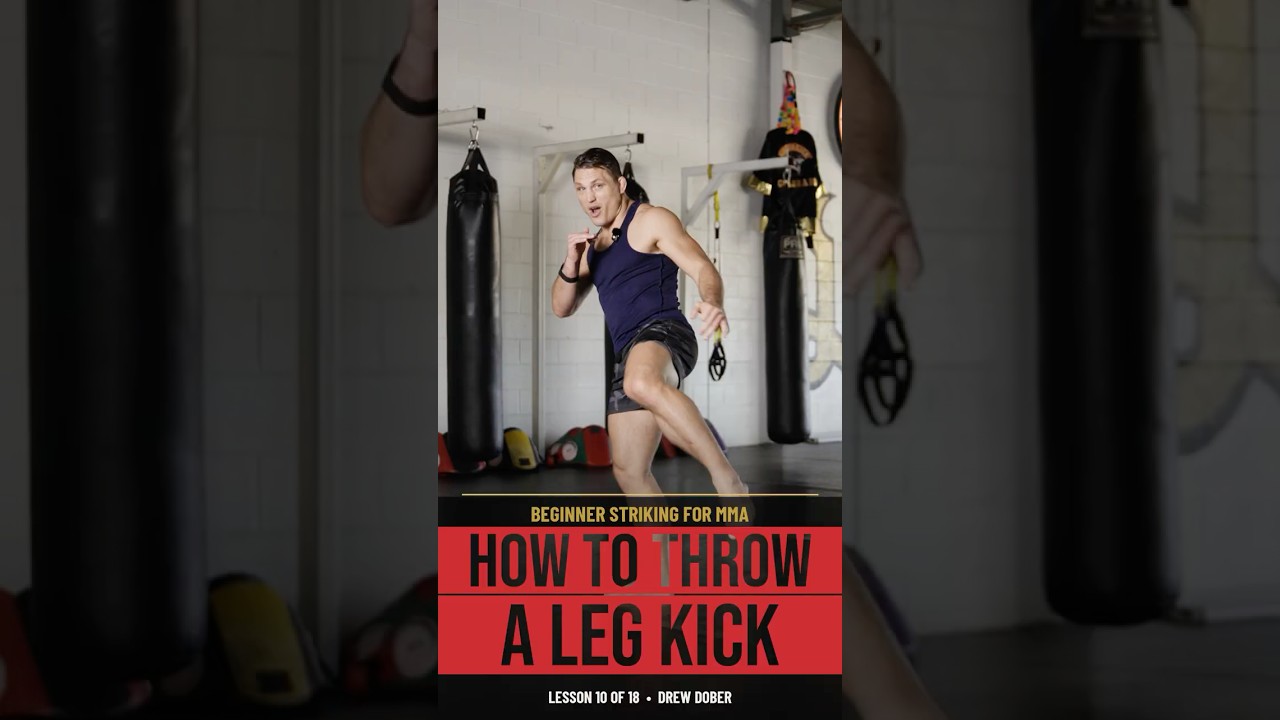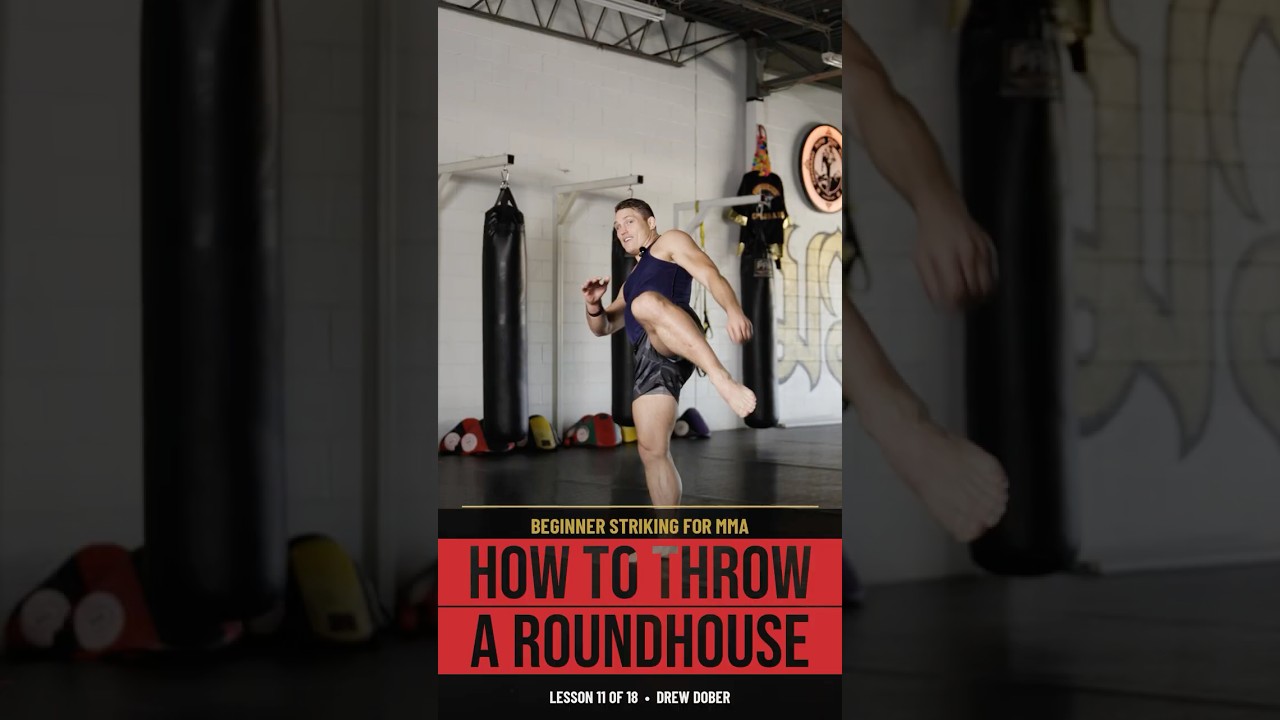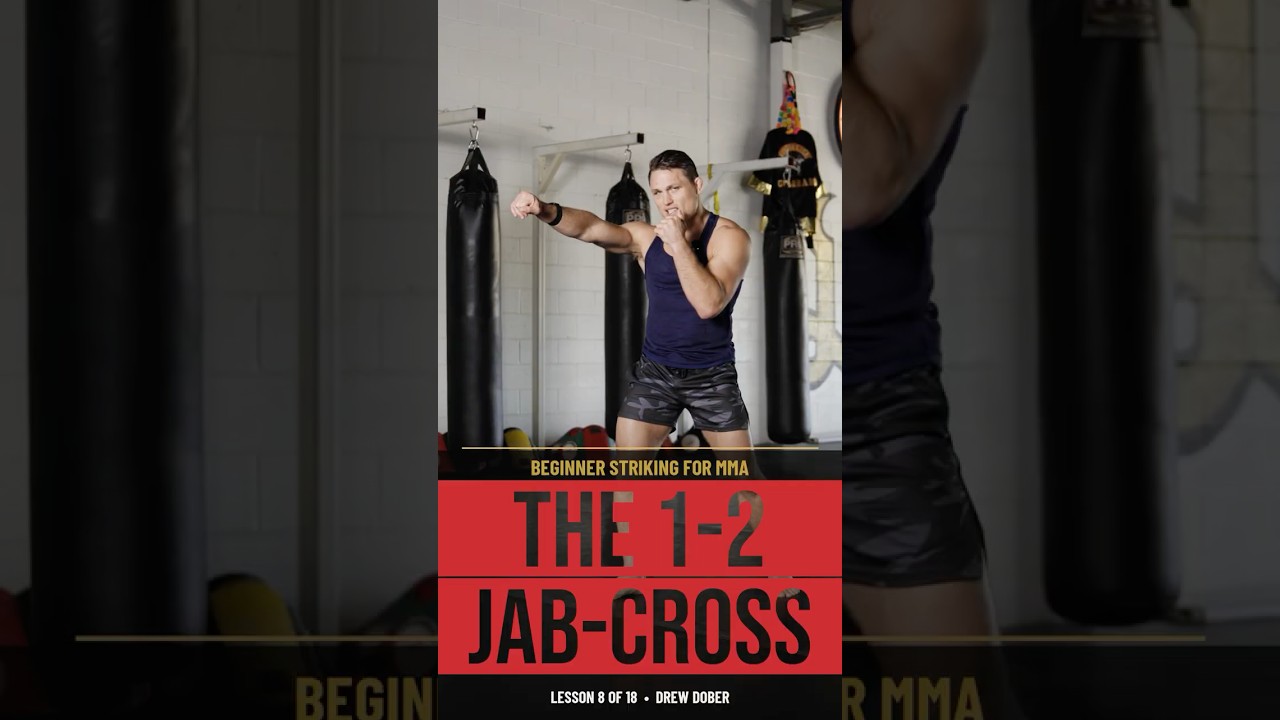
Drew Dober breaks down how to throw a jab correctly, from stance and extension to recovery. Most people throw it weak. Here's how to make it a weapon.
Key Takeaways
The jab is the most important punch in combat sports. It’s also the one most people throw completely wrong.
I’ve watched thousands of rounds of sparring at my own camp, at seminars, at open mats across the country. The jab is where I can immediately tell if someone has real boxing fundamentals or if they just learned how to punch from YouTube. Most people treat it like a filler movement. A “get off me” punch. Something to throw before the real shots land.
That’s a waste of your most versatile weapon.
Before you can throw it correctly, you need to understand what the jab is for. It’s not just a range-finder. A properly thrown jab does four things simultaneously:
In MMA, there’s a fifth use: it keeps wrestlers honest. If you’re jabbing well, they can’t just load up and shoot without eating leather. I’ve used the jab to neutralize takedown threats my entire career. It buys me half a second, and half a second is all I need to react.
You can’t throw a good jab from a bad stance. Get the foundation right first.
Orthodox fighters (right hand dominant):
Southpaw fighters: mirror everything above.
The common mistake is standing too square or too bladed. Too square and you’re a big target. Too bladed and your jab has no power. You’re throwing from your shoulder, not your body.
Here’s the sequence, broken down step by step.
The jab starts in your legs, not your arm. As you extend your fist forward, push slightly off your back foot. This transfers your body weight through the punch. Without this, you’re just moving your arm. That’s slow and weak.
As your arm extends, your left shoulder rotates forward. The shoulder follows the hip. The hip drives the shoulder, the shoulder drives the fist. Think of it as a chain, not an isolated movement.
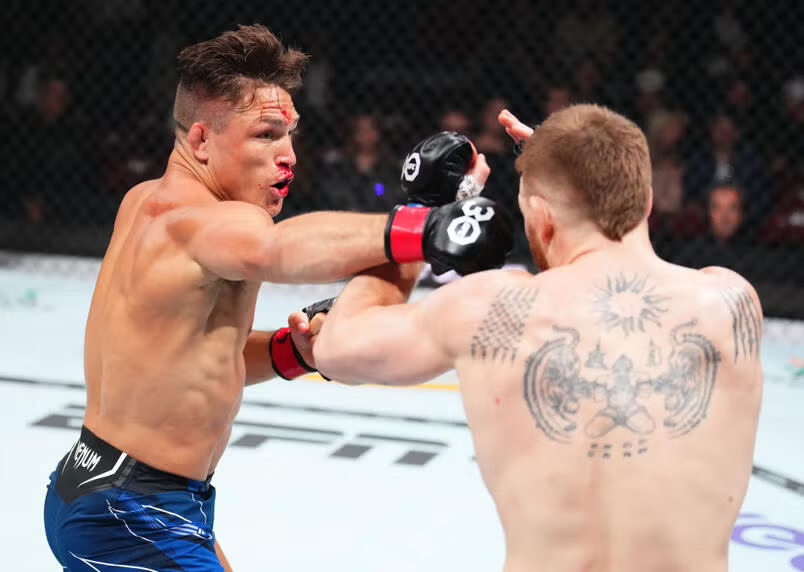
Your arm should reach full extension at the moment of impact. Not before, not after. The mistake I see constantly is people stopping short. They’re afraid to commit, so they throw a half-jab that does nothing. Commit to the punch.
The other mistake is reaching: leaning your torso forward to add range. This kills your balance and leaves your chin out. If you can’t reach the target with your arm, step.
As you extend, your fist rotates so your palm faces the floor at impact. This engages more forearm and wrist stability, making the punch snappier. A jab thrown palm-side-in is a push. You feel the difference immediately.
The recovery is half the punch. The second your fist lands, pull it back on the same path it went out, fast. This protects your chin (arm back means guard up) and resets you for the next shot. Fighters who leave their jab arm out are begging for a right hand counter.
Dropping the right hand when you jab. As soon as the left arm extends, the right hand drops to hip level. You’re handing someone a free shot to your chin. Keep the right hand glued to your cheek.
No head movement. You should be slipping or rolling as you jab — a small dip or slip off the centerline. Standing completely still while you throw makes you an easy target for counters.
Throwing it slow. The jab should be your fastest punch. If you’re winding up or telegraphing it, it’s not a jab. It’s a slow cross with your left hand.
Stopping at the shoulder. If your shoulder isn’t rotating forward, you’re cutting your power in half. Throw the shoulder, not just the fist.
Stepping back after. Some fighters instinctively step backward after throwing. This tells your opponent you’re done and retreating. Commit to the jab, hold your ground, and assess.
Shadowboxing, jab only (5 minutes): Just jabs, nothing else. Focus entirely on the mechanics. Left foot forward, push from the back foot, shoulder rotates, snap back. Boring? Yes. Effective? Absolutely.
Mirror work: Stand in front of a mirror and watch your right hand as you jab. If it drops, you fix it immediately. Feedback is instant.
Bag work, double jab to body-head: Throw two jabs in sequence. First jab to the body (slightly lower), second jab to the head. This forces you to adjust angles and keep moving.
Sparring focus rounds: Tell your training partner you’re only throwing jabs this round. No combinations. Just jab, stay safe, jab again. This builds timing and commitment under pressure, which is the only environment that matters.
Boxing purists will tell you the jab in MMA is compromised because of the threat of takedowns. They’re partially right, but the answer isn’t to stop jabbing. It’s to jab smarter.
In MMA, I shorten my extension slightly and keep more weight on my back foot so I can sprawl if needed. I also use the jab more to the body. A jab to the solar plexus forces your opponent to react, changes their posture, and sets up head shots or takes the air out of their takedown attempts.
The fundamentals don’t change. The application adapts.
Get the jab right. It’s the foundation everything else is built on, in boxing, Muay Thai, and MMA. I’ve knocked out UFC-caliber fighters behind the jab-cross. It works because it’s correct, not because it’s flashy.
Now go drill it.
How hard should I throw the jab?
The jab is about speed and snap, not power. It should be your fastest punch. You're not trying to knock someone out with it — you're trying to land it clean, disrupt their rhythm, and reset for the next shot. Focus on snapping it back fast, and the power will follow naturally from correct mechanics.
Should I step forward when I jab?
Only if you can't reach the target without leaning. If you lean your torso forward to extend range, you sacrifice balance and expose your chin. The correct option is a small lead step with your front foot before you extend. Never reach forward with your torso to make up for distance.
How is the jab different in MMA versus boxing?
The core mechanics are identical. In MMA you shorten the extension slightly and keep more weight on your back foot so you can sprawl on a takedown attempt. You'll also throw it more to the body. The application changes, the fundamentals don't.
How do I stop dropping my rear hand when I jab?
Mirror work is the fastest fix. Shadowbox in front of a mirror and watch your rear hand specifically as your lead arm extends. If it drops, you see it immediately and correct it in real time. After a few focused sessions, keeping the hand up becomes automatic.
How many jabs should I throw in a round?
More than you think. The jab should be your most-thrown punch. If you can count your jabs in a round, you're not throwing enough. It should be constant — measuring, disrupting, setting up, controlling. Your opponent should feel it every few seconds.
Drew Dober · Inner Circle