Drew Dober breaks down his UFC 326 KO of Michael Johnson — how he lost Round 1 on purpose, what he learned, and how he applied it to finish the fight.
Key Takeaways
I’m going to be straight with you: I lost Round 1 of this fight on purpose. Not on accident, not because Michael Johnson was too good in that round. On purpose. I made a calculated decision before I ever walked out that I was going to use Round 1 to gather data, watch how he was defending, see how he moved when I attacked, and figure out exactly what I needed to change before I went to work. Watch the full reaction breakdown in the video above.
Most guys don’t want to admit that. But that was the plan. You can throw away a first round to win in the second, and that’s exactly what I did against Michael Johnson at UFC 326.
Michael Johnson is not a name you throw around casually. This is a guy who has knocked out Dustin Poirier. He beat Edson Barbosa, Tony Ferguson. He is dangerous.
“All respect, but man, he’s knocked out Dustin Poirier, is beating Edson Barbosa, Tony Ferguson. I mean, I’m smiles right now, but inside like I knew I had some work to need to be done.”
That’s where my head was walking out there. The smile was real, the energy was real. I was enjoying the moment, the fans, the cage, the atmosphere. That part matters to me.
“This is the moment I’m just enjoying this moment. Like we spend so much time thinking about this moment in the cage right now. So, I was just trying to enjoy the fans, the cage, the atmosphere, and the energy.”
But underneath that, I knew what I was stepping into. Michael Johnson is a counter-fighter. His whole game is built around letting you come forward and timing you. He is fast. Not just fast for the division, fast in a way that genuinely demands respect.
Walking into Round 1, I had a simple directive: don’t be dumb.
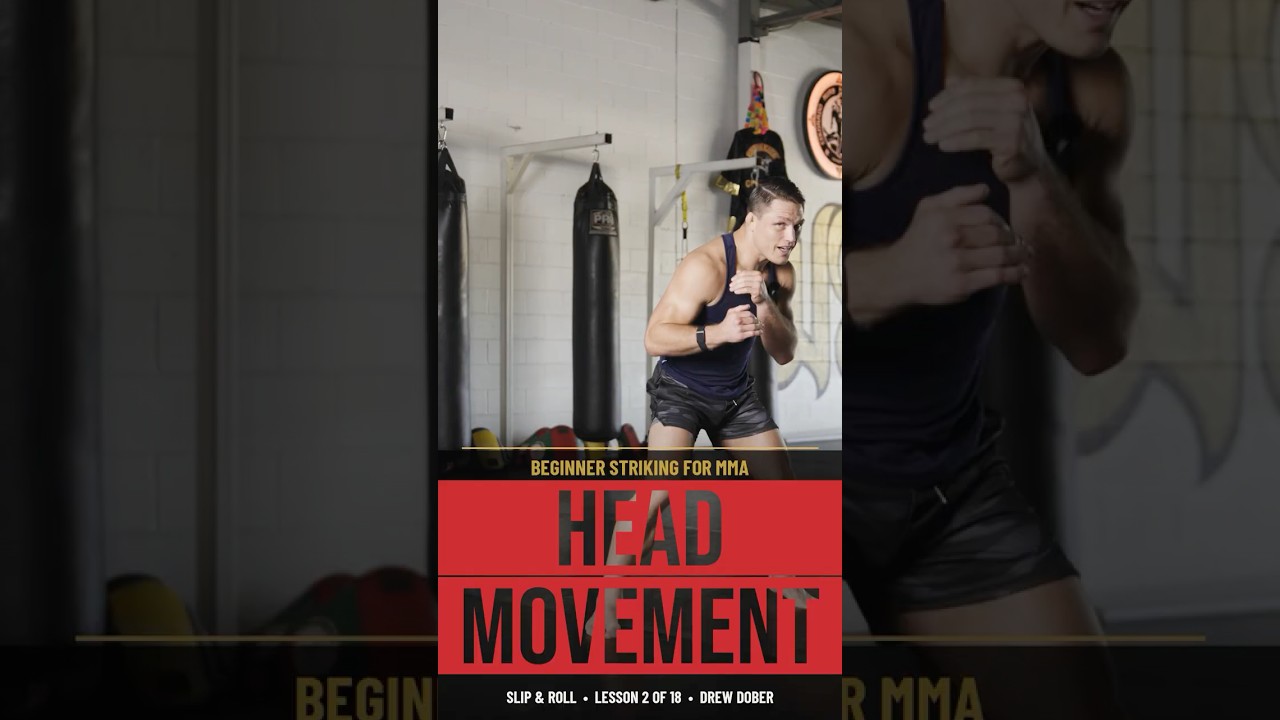
The plan was not to be overzealous, not to get overexcited, not to commit to anything that Johnson could time. My job was to put out feelers. Give him things to think about. Faints, level changes, and constant movement off the center line, both with my feet and my head.
“He is so fast. Holy cow.”
That’s not just commentary. That was a real read I was making in real time. Johnson was sitting there, baiting me. He wanted me to come forward and start the attack so he could counter quickly. He’s built his whole career on that.
I knew that coming in. So instead of walking into his hands, I threw a switch kick into his rear side. Not to cause damage. To keep his left hand busy.
“I throw that switch kick into his rear side so that way it keeps it busy, right? I don’t care about causing damage. I just want to keep his left hand busy cuz that’s what happens when you don’t keep it busy. It just comes out like a whip.”
That left hand of his is a problem if it has nothing to think about. The switch kick gave it something to think about.
The whole round I was managing range, staying off center line, and refusing to overcommit. Johnson was staying busy, making contact, landing enough to win the round on the cards. I knew it. I wasn’t pretending otherwise.
“I didn’t win this first round. Like Johnson was staying busy. He was making contact. I was making reads, but not enough to win this round.”
And later:
“I lost this first round for sure.”
That’s the honest assessment. But here’s the thing, I wasn’t trying to win that round. I was gathering data. Watching how he defended. Watching which direction he moved when I attacked. Watching how he loaded that cross, where his eyes went, what he did when I fainted at him. All of that information was getting filed away. I had to wait for Michael Johnson to get tired. That takes patience. Most fighters don’t have it.
By the end of Round 1, I had what I came for.
I knew which direction Johnson preferred to exit. I knew how he loaded his cross. I knew how much range I needed to stay out of trouble while still making him react to my movement. And I knew he was starting to work.
Counter-fighters rely on their speed and their timing. When that speed starts to drop, even just slightly, the entire game changes. They can’t punish you the same way. The counters that were scary in Round 1 become manageable in Round 2 if you’ve been patient enough to let them fade.
The adjustment was straightforward: plant my feet more. Come forward. Make him back up instead of letting him stand in the middle and wait on me.
I also kept thinking about Alexander Volkanovski and how he uses faints and movement to create openings. Constant motion. Make the opponent react. Volkanovski does it at the highest level in the world, and the principle is real. If V can do it, I can do it.
The goal going into Round 2 was to be the aggressor without being reckless. Use what I learned, press forward, and stay in the pocket long enough to take the openings when they appeared.
Round 2 felt different from the opening seconds.
“Now I’m planting my feet a little bit more. I made those reads the first and now I’m coming forward. I’m trying to get Michael Johnson to back up.”
That’s a completely different fight. Johnson’s whole identity as a counter-fighter depends on his opponent coming forward recklessly. When you come forward with discipline, when you’re using faints and lateral movement, his timing gets disrupted. He can’t time what he can’t predict. Good stance and footwork is what makes that kind of disciplined pressure possible. You can’t manage range and stay off the center line if your base is breaking down.
I was staying in the pocket. Not giving him space to reset. Every time he tried to create distance, I was cutting off the angle. Faints and movement. Faints and movement. That’s the whole thing.
The reads from Round 1 were paying off. I knew which way he wanted to go. I knew what he was going to throw and when. The speed that made him feel dangerous in the first round was still there, but I wasn’t reacting to it the same way because I had seen enough of it to stop being surprised.
This is where the patience from Round 1 becomes value. You can’t shortcut that process. You have to be willing to eat a round to earn the information.
The finish came from staying in the pocket and taking away his space to reset.
Johnson needed room. Counter-fighters always need room. They need you to come forward, miss, and give them the distance to land clean on your way back. When you stay tight, when you keep cutting off the exit and pressing with movement instead of just pressure, they don’t have the angle to work with.
“Faints and movement. Faints movement.”
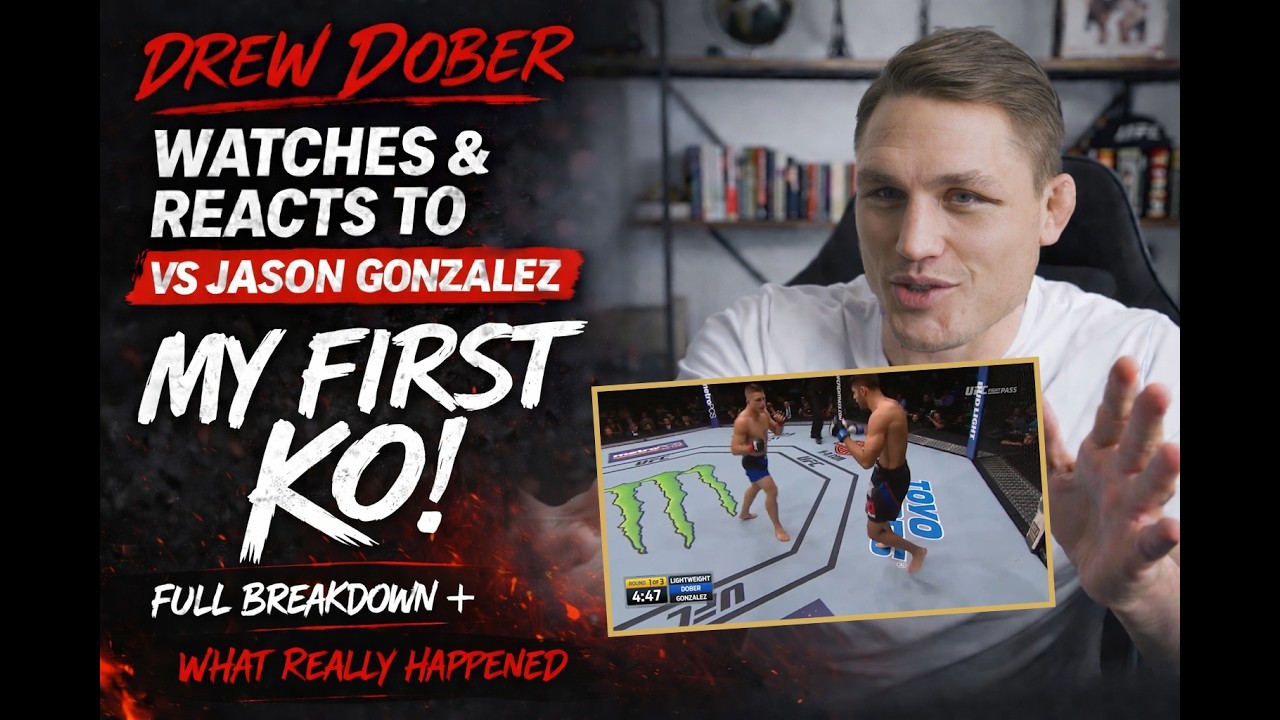
That’s the whole finish sequence in three words. I wasn’t standing still in front of him waiting to get timed. I was moving, faking, shifting, making him commit. And when he committed, I was in position to land. The same faking and pocket work that set up my first UFC knockout against Jason Gonzalez applies here. The details change, but the idea doesn’t: make him react to something fake, then punish him for it.
The KO is the result of two rounds of work. One round of losing on purpose, gathering everything I needed. One round of applying it.
That’s the fight, start to finish.
The real lesson from this one isn’t about the KO. It’s about what came before it. Patience is a skill. Being willing to lose a round in order to win the fight is a skill. Most fighters, especially young fighters, go into Round 1 trying to take over immediately. That’s fine if you have a clear physical advantage. But against a counter-fighter with Michael Johnson’s speed and timing, walking in swinging is exactly what he wants you to do.
Gathering data, making reads, and being willing to invest a round in information collection, that’s how you beat someone like that. The finish was the easy part. Getting there was the work.
Drew Dober holds the all-time UFC Lightweight KO/TKO record with 11 finishes. Watch the full reaction breakdown in the video above.
Did Drew Dober really lose Round 1 on purpose against Michael Johnson?
Yes, and he's straight about it. The plan walking out was to use Round 1 to make reads: watch how Johnson defended, which direction he moved when attacked, how he loaded his cross. Drew knew he wasn't trying to win the round. He was gathering data.
Why is Michael Johnson such a tough fight?
Johnson has knocked out Dustin Poirier and beaten Edson Barbosa and Tony Ferguson. He's a counter-fighter with elite speed. His whole game is letting you come forward and timing you. Walking in swinging is exactly what he wants you to do.
What did the switch kick accomplish in Round 1?
It kept Johnson's left hand busy. Drew wasn't going for damage with it. He threw it into Johnson's rear side specifically to give that dangerous left hand something to react to, because when it has nothing to think about, it comes out like a whip.
What adjustment did Drew make going into Round 2?
He planted his feet more and came forward instead of staying on the outside. He used faints and lateral movement to disrupt Johnson's timing. The goal was to be the aggressor without being reckless, applying what he learned in Round 1.
What was the key to finishing the fight?
Staying in the pocket and taking away Johnson's space to reset. Counter-fighters need room to work. Faints and movement kept Johnson reacting instead of timing. When he committed, Drew was in position to land.
Drew Dober · Inner Circle